India, Vietnam See Surge in Rooftop Solar Installations
- Kieran Montague
- 26 May 2026
- 0 Comments
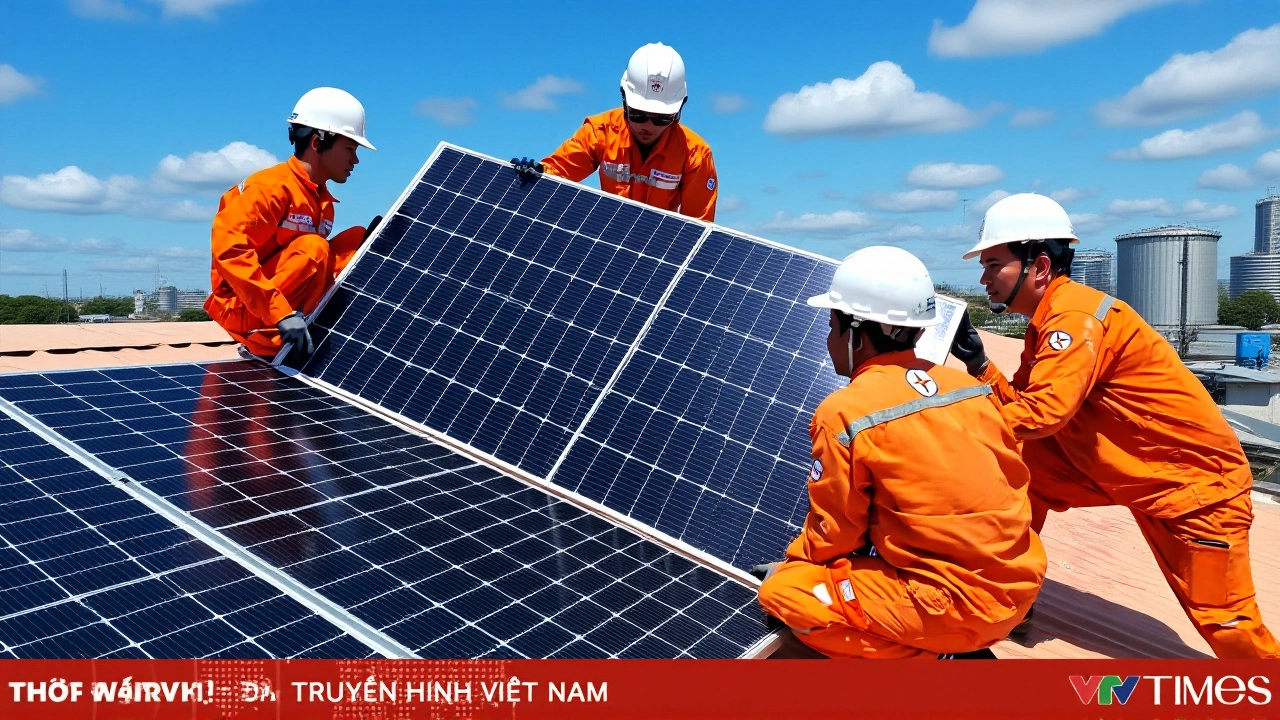
Something is shifting on the roofs of Asia. It’s not just a trend; it’s a massive structural change in how households and businesses power their lives. In India, government subsidies are driving a record-breaking adoption rate, while neighbors like Vietnam are pushing hard for energy independence through similar mandates. The result? A rapid, tangible shift away from grid dependency that is reshaping national energy budgets.
Here’s the thing: this isn’t happening by accident. Governments are actively engineering this transition. On February 15, 2024, Narendra Modi, Prime Minister of India launched the "PM Surya Ghar: Muft Bijli Yojana." Within just nine months, the program hit 630,000 installations. That averages out to roughly 70,000 new solar systems every single month. To put that in perspective, most Western nations struggle to add that many commercial units in a year.
The Numbers Behind the Boom
The scale of India’s ambition is staggering. The Press Information Bureau (PIB) has outlined a clear roadmap: hitting 1 million installations by March 2025, 2 million by October 2025, and aiming for a colossal 10 million (1 crore) systems by March 2027. This initiative is officially billed as the world’s largest residential rooftop solar program.
But why the rush? The financial incentives are undeniable. For homeowners, the subsidy structure is tiered based on consumption:
- Low usage (0-150 units/month): Subsidies range from ₹30,000 to ₹60,000 for 1-2 kW systems.
- Medium usage (150-300 units/month): Support jumps to ₹60,000–₹78,000 for 2-3 kW setups.
- High usage (300+ units/month): Maximum subsidy capped at ₹78,000 for systems above 3 kW.
Beyond direct cash handouts, the government is facilitating collateral-free loans at approximately 7% interest for systems up to 3 kW. According to IIFL Finance’s 2025 guide, a typical 3 kW system costs between ₹1.2 lakh and ₹1.8 lakh before subsidies. After the grant, the out-of-pocket expense drops to ₹50,000–₹1.2 lakh—a price point that finally makes sense for middle-class families.
Hidden Costs and Real-World Economics
Turns out, it’s not all smooth sailing. While panel prices have dropped significantly, accounting for 45-55% of total system costs, homeowners often overlook hidden expenses. Waterproofing repairs can run anywhere from ₹5,000 to ₹25,000 depending on roof condition, and meter installation fees vary by region. Advanced technologies like Mono PERC and TOPCon panels offer better efficiency in smaller spaces but come at a premium.
For context, a 1 kW system suits small studios or 1BHK apartments, while larger villas or homes with heavy air conditioning loads typically require 5-10 kW setups. The math works if you’re using ACs regularly; otherwise, the payback period stretches longer than expected.

Vietnam’s Parallel Push
Meanwhile, across the border, Vietnam Ministry of Industry and Trade is pulling similar strings. Their latest directive aims to save at least 3.0% of national electricity consumption by 2026. During peak heat months—April through July—the target spikes to a minimum 10% reduction in usage.
The strategy focuses on self-consumption. The ministry is prioritizing rooftop solar for government offices, factories, and homes, alongside integrated energy storage systems to manage peak loads. Annual targets include equipping 10% of government buildings and 10% of homes with solar, or achieving 20% of regional capacity goals set in 2026-2030 development plans. It’s a coordinated effort to reduce fossil fuel dependence and stabilize the grid during sweltering summers.
What This Means for Consumers
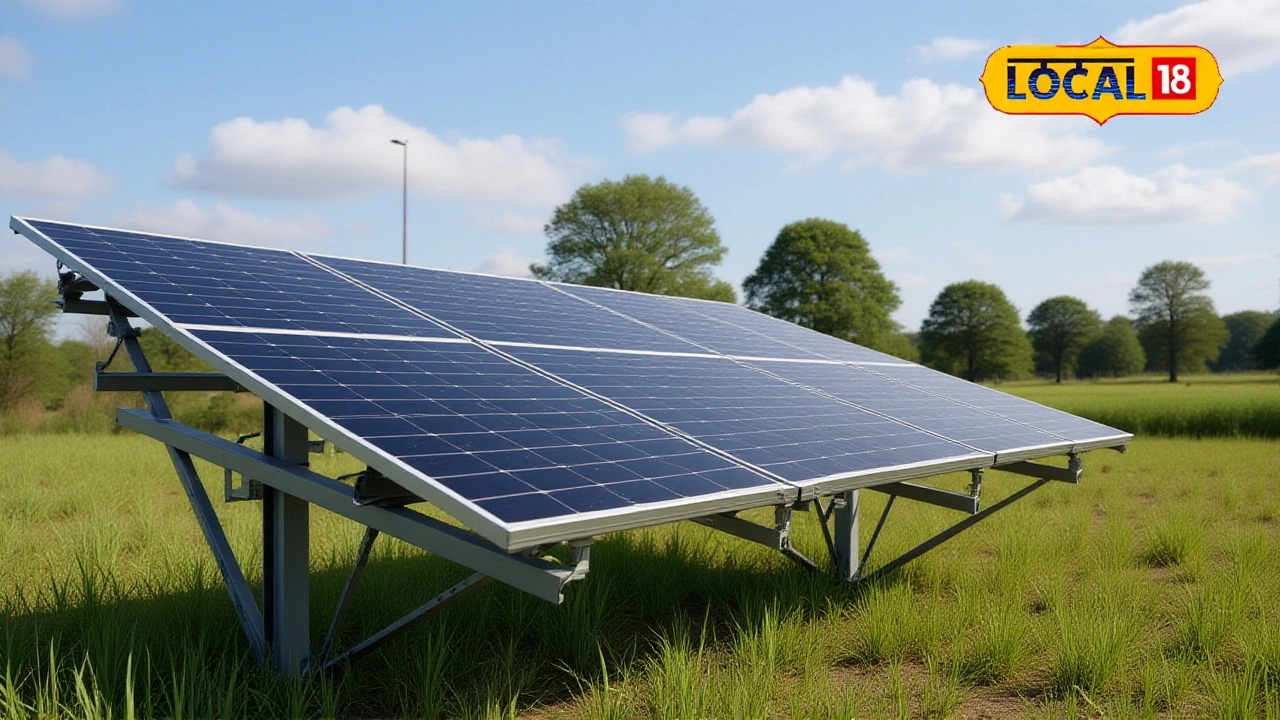
The ripple effects are already visible. In India, the government projects annual savings of ₹75,000 crore in power distribution costs. For individual households, it means predictable bills and protection against tariff hikes. But there’s a catch: grid infrastructure must adapt. As more homes generate power, utilities face the challenge of managing reverse flows and intermittent supply.
Experts suggest that without robust battery storage integration, the benefits will be limited to daytime usage. Vietnam’s push for storage solutions hints at this awareness. The future isn’t just about generating solar power—it’s about storing and using it intelligently.
Frequently Asked Questions
How much does a rooftop solar system cost after subsidies in India?
After the PM Surya Ghar subsidy, a 1 kW system costs ₹30,000–₹50,000, while a 3 kW system ranges from ₹50,000 to ₹1.2 lakh. Larger 5 kW systems drop to ₹1.2–₹2.0 lakh post-subsidy. These figures exclude potential hidden costs like roof waterproofing or meter fees.
What is the timeline for India's solar installation targets?
The government aims for 1 million installations by March 2025, 2 million by October 2025, 4 million by March 2026, and 10 million by March 2027. This aggressive pace reflects a strategic push toward energy self-reliance.
Why is Vietnam promoting rooftop solar so aggressively?
Vietnam seeks to reduce peak load stress during hot months (April-July) and cut national electricity consumption by 3% by 2026. The goal is to enhance energy security and lower reliance on imported fuels through decentralized generation.
Are there financing options available for these systems?
Yes, in India, the scheme offers collateral-free loans at ~7% interest for systems up to 3 kW. This lowers the barrier to entry for middle-income households who might not afford upfront costs despite subsidies.