Bhagat Singh Koshyari Awarded Padma Bhushan by President Murmu
- Kieran Montague
- 27 May 2026
- 0 Comments
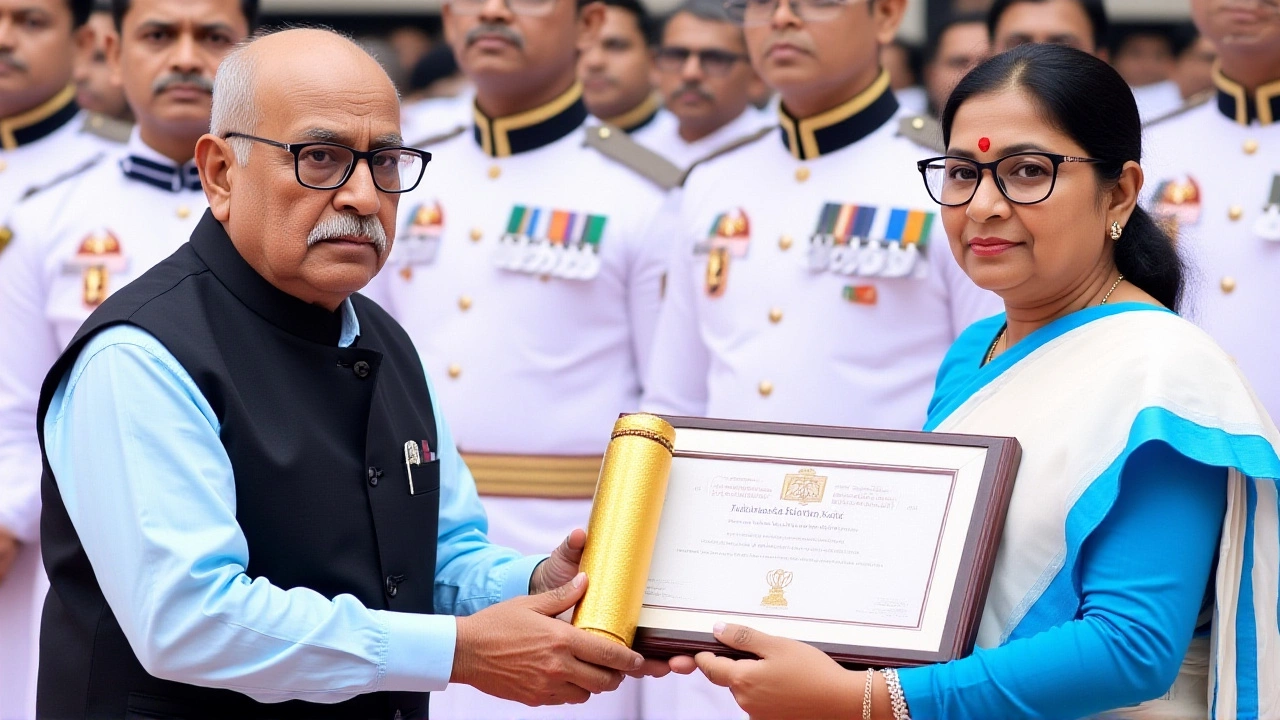
When Bhagat Singh Koshyari, former Chief Minister of Uttarakhand and Governor of Maharashtra, received the Padma Bhushan on Monday, it wasn't just another political accolade—it was a recognition of decades spent in the rugged Himalayas fighting for education and social welfare. The award, conferred by President Droupadi Murmu, honors Koshyari’s extensive contributions to education, social life, journalism, and public service.
Here’s the thing: this isn’t just about politics. It’s about a man who rose from a remote village with limited resources to become one of India’s most prominent regional leaders. At 83 years old, Koshyari’s journey is a testament to how education can be the great equalizer, even in some of the country’s most inaccessible terrains.
From Remote Village to National Stage
Born on June 17, 1942, in Palandhura village in the Bageshwar district of Uttarakhand, Koshyari didn’t have an easy start. Resources were scarce, but he viewed education as his "biggest medium" for progress. By 1964, he had earned a Master’s degree in English Literature from Almora College, affiliated with Agra University—a significant achievement given the logistical challenges of studying in the hills during that era.
But wait—there’s more to his story than just academics. Koshyari became deeply involved in the Uttarakhand statehood movement, advocating for the region’s interests in Parliament. He opened schools in border areas, ensuring that children in remote communities had access to quality education. His work wasn’t confined to classrooms; he also served as a journalist, using media as a tool to highlight local issues and amplify marginalized voices.
The Padma Bhushan Recognition
The Padma Bhushan is India’s third-highest civilian award, typically reserved for individuals who have made exceptional contributions to their fields. For Koshyari, the citation specifically mentions his long-standing dedication to education, social life, journalism, and public service. This multi-faceted recognition underscores the breadth of his impact—not just as a politician, but as a community builder.
Interestingly, while some educational platforms like Testbook recently clarified that claims about him receiving the award solely for "social work" in 2026 are inaccurate, the official citation paints a broader picture. The award acknowledges his holistic contributions across multiple domains, reflecting a career defined by versatility and commitment.
Political Career and Leadership Roles
Koshyari’s political journey has been equally impressive. As a senior leader of the Bharatiya Janata Party (BJP), he has held several key positions. He served as the Chief Minister of Uttarakhand, where he focused on infrastructure development and tourism promotion. Later, he was appointed as the Governor of Maharashtra, a role that allowed him to influence governance at a larger scale.
His leadership style is often described as pragmatic and grounded. Having started from humble beginnings, he understands the struggles of rural populations. This empathy has guided his policies, particularly in education and healthcare, where he prioritized accessibility and affordability.
Reactions and Future Implications
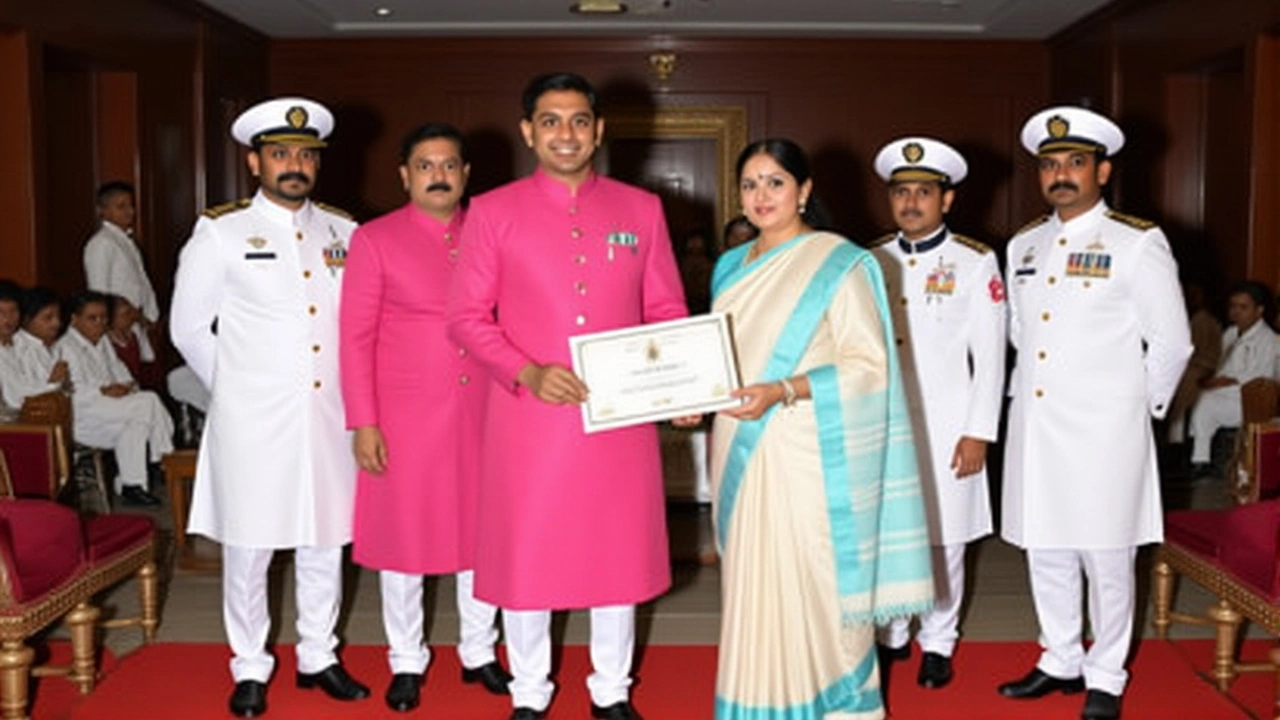
Following the award, a felicitation ceremony was organized on May 27, 2026, as reported by Rashtra Times. During the event, Koshyari expressed gratitude to Prime Minister Narendra Modi, stating, "The Prime Minister’s special affection and attachment to Uttarakhand are always visible." This comment highlights the strong relationship between the central government and the state, particularly under the current administration.
The award also signals a growing emphasis on recognizing grassroots leaders who have contributed to nation-building over decades. In an era where political figures are often judged by short-term metrics, Koshyari’s lifetime achievement serves as a reminder of the value of sustained public service.
Background Deep Dive
To understand the significance of this award, it’s helpful to look at the historical context. The Padma awards were instituted in 1954 and have since become symbols of national pride. Recipients are chosen based on recommendations from various ministries and independent committees, ensuring a rigorous selection process.
Koshyari’s inclusion in this year’s list reflects a trend toward honoring individuals from diverse backgrounds, including those from smaller states and regions. It also aligns with the government’s focus on promoting education and social welfare as key pillars of development.
Frequently Asked Questions
What is the Padma Bhushan?
The Padma Bhushan is India’s third-highest civilian award, presented by the Government of India to recognize distinguished service of a high order in any field. It is part of the Padma awards, which include the Padma Vibhushan and Padma Shri, and is awarded annually on Republic Day.
Why was Bhagat Singh Koshyari awarded the Padma Bhushan?
Koshyari was honored for his lifelong contributions to education, social life, journalism, and public service. His work in establishing schools in remote areas of Uttarakhand and advocating for the state’s interests in Parliament played a significant role in this recognition.
Who is Bhagat Singh Koshyari?
Bhagat Singh Koshyari is a prominent Indian politician from Uttarakhand. He has served as the Chief Minister of Uttarakhand and the Governor of Maharashtra. A member of the Bharatiya Janata Party (BJP), he is known for his focus on education and rural development.
When did Bhagat Singh Koshyari receive the Padma Bhushan?
He received the award on Monday, with a felicitation ceremony held on May 27, 2026. The exact date of the conferment by President Droupadi Murmu was not specified in the initial reports, but the recognition was widely covered in the media around that time.
How does this award impact Uttarakhand?
The award brings national attention to Uttarakhand’s contributions to education and social welfare. It also reinforces the state’s importance in the national narrative, potentially leading to increased investment and policy support for its development initiatives.